


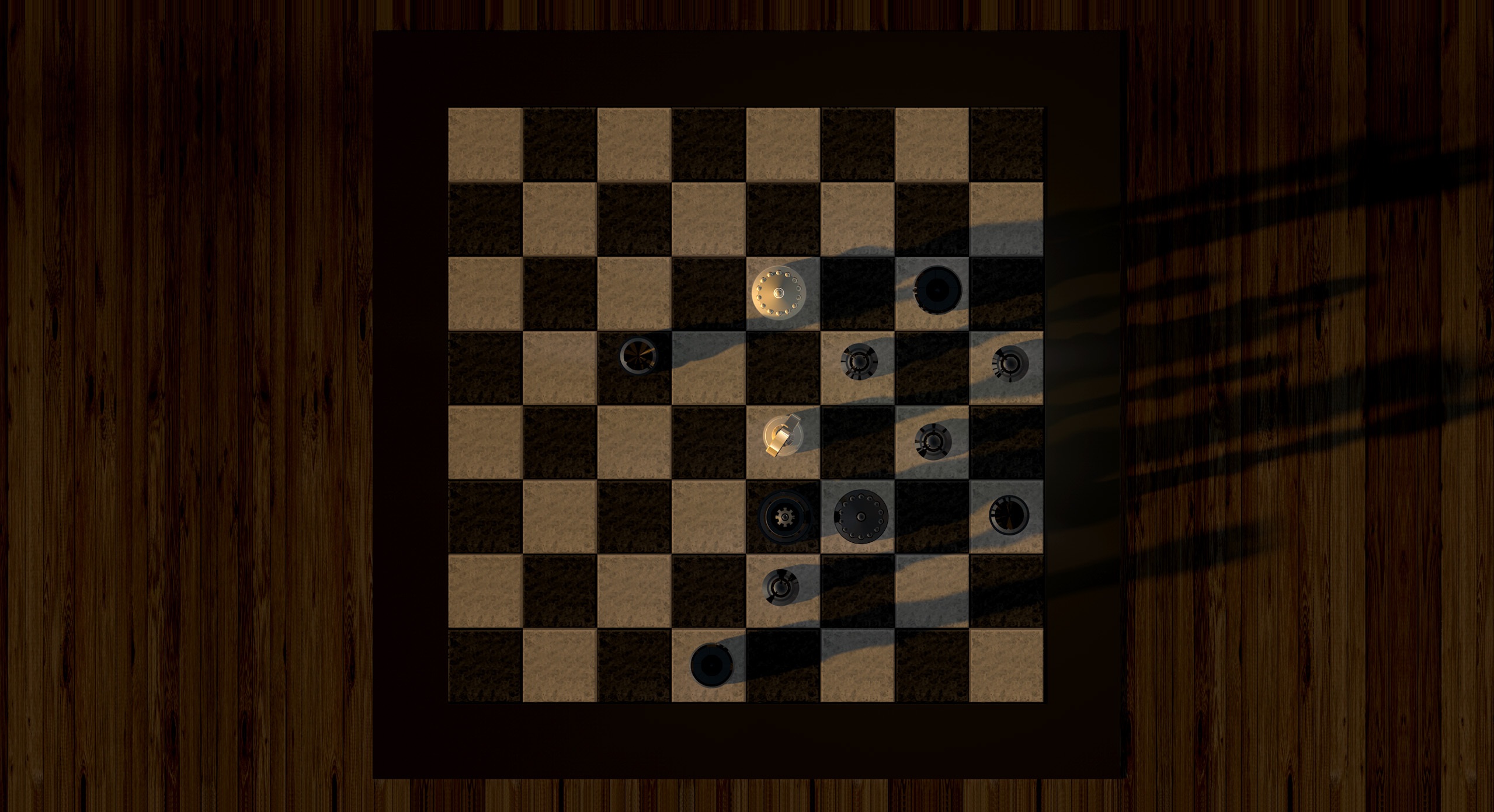
Chess and audit share a simple yet powerful principle that the greatest masters use to win: anticipating risk before every move.
In chess, a skilled player doesn’t merely react to the current position; they think several moves ahead, weighing possible threats and opportunities. Every move is carefully considered to protect key pieces, safeguard the king, and control the board.
Audit operates on the same principle. Risk assessment is a critical first step in which auditors identify areas most susceptible to error, misstatement, or fraud. By evaluating these risks early, auditors can plan procedures, allocate attention to critical areas, and focus resources where they will have the greatest impact.
In other words, just as a chess master foresees threats and adapts their strategy, auditors anticipate problems and proactively design solutions to address them.

One of the greatest chess masters, José Raúl Capablanca, whose game emphasised strategy, avoidance, and anticipating danger, stated: “You learn little by winning, but much by anticipating and avoiding danger. Always consider your next move and its consequences.”
Balancing Short-Term Audit Actions with Long-Term Goals
The similarity extends beyond planning; both disciplines require patience, attention to detail, and the ability to balance short-term actions with long-term objectives. A reckless move in chess can cost the game; a rushed or poorly planned audit can compromise the reliability of conclusions and even expose an organisation to unnecessary risk.
Moreover, both chess and audit teach the value of reflection. A master player reviews past games to improve future performance. Similarly, auditors analyze previous audits outcomes to refine methods, enhance risk detection, and strengthen decision-making.
Ultimately, whether moving a knight or reviewing financial statements, the lesson is the same: anticipate risks, plan strategically, and execute deliberately. Success comes to those who can see beyond the immediate, act with foresight, and turn potential threats into opportunities for stronger outcomes.
Follow Our WhatsApp Channel: https://whatsapp.com/channel/0029VbBynqbB4hdOT2mqtT13